
Turkish citizenship by investment from Bangladesh
Turkey’s citizenship by investment program offers a fast track to EU candidate status citizenship for foreign investors willing to meet specific financial requirements. This program appeals to high-net-worth individuals, business owners, and families seeking a second passport with visa-free travel benefits and business opportunities in a strategic location between Europe and Asia.
Getting Turkish citizenship through investment isn’t just about buying property anymore. We’ll walk you through the main investment pathways, including real estate purchases and business investments that qualify for citizenship. You’ll also learn about the step-by-step application process and what documents you need to prepare for a successful application.
Understanding Turkey’s Investment Citizenship Program
Minimum investment thresholds and requirements
The Turkish citizenship by investment program sets clear financial benchmarks that investors must meet. The most popular route requires a minimum real estate investment of $400,000, down from the previous $1 million threshold. This property must be held for at least three years, and investors cannot sell during this period without losing their citizenship eligibility.
For those preferring business investments, the minimum capital requirement stands at $500,000. This investment must create employment for at least 50 Turkish citizens and maintain operations for three years. Bank deposits offer another pathway, requiring $500,000 kept in Turkish banks for a minimum of three years.
All investments must be made in US dollars or equivalent Turkish lira, and the funds must originate from legal sources with proper documentation. The government requires investors to obtain a valuation report from authorized appraisal companies and register all investments through official channels.
Types of qualifying investments available
Turkey offers several investment pathways beyond traditional real estate purchases. Property investments include residential, commercial, and industrial real estate, giving investors flexibility in choosing their preferred asset class. Many investors gravitate toward Istanbul and Ankara properties due to strong rental yields and appreciation potential.
Business investments encompass manufacturing, technology, tourism, and service sectors. The government particularly welcomes investments in strategic industries like renewable energy, healthcare, and advanced manufacturing. Joint ventures with Turkish companies often qualify, provided they meet employment and capital requirements.
Financial investments include fixed deposits in Turkish banks and government bonds. Some investors choose Treasury bills or corporate bonds, though these must meet specific criteria set by the Capital Markets Board. Investment funds focusing on Turkish markets also qualify under certain conditions.
The program excludes speculative investments, cryptocurrency, and certain high-risk financial instruments. Real estate purchases from Turkish citizens or companies owned by Turkish nationals don’t qualify unless the seller is a development company selling new units.
Processing timeline and approval rates
The Turkish citizenship application process typically takes 3-6 months from submission to approval, making it one of the fastest programs globally. Initial document review and investment verification usually consume the first 2-3 months, while background checks and final approvals require an additional 2-3 months.
Applications submitted with complete documentation and clear investment proofs move faster through the system. The Presidency of Investment Office handles initial reviews, while the Ministry of Interior processes citizenship applications. Incomplete applications or those requiring additional documentation can extend processing times to 8-12 months.
Success rates for properly prepared applications exceed 95%, with most rejections stemming from incomplete documentation, insufficient investment amounts, or background check issues. Common delays include property valuation discrepancies, bank confirmation delays, and missing apostilled documents.
Fast-track processing is available for investments exceeding minimum thresholds by significant amounts. Some legal firms report 60-90 day approvals for straightforward real estate investments with premium service packages.
Key advantages over other citizenship programs
Turkey’s program offers exceptional value compared to Caribbean or European alternatives. The $400,000 real estate minimum is significantly lower than Portugal’s €500,000 Golden Visa or Malta’s €600,000 citizenship program. Unlike many programs requiring donations, Turkish investments typically generate returns or can be sold after the holding period.
Geographic advantages include visa-free access to 110+ countries, including Japan, South Korea, and Singapore. The Turkish passport ranks higher than many Caribbean alternatives and provides easier access to European markets through Turkey’s customs union with the EU.
Processing speed gives Turkey a competitive edge over programs like Cyprus or Austria, which can take 12-24 months. The program doesn’t require language tests, lengthy residency periods, or extensive business experience, unlike traditional immigration routes.
Cultural and economic benefits include access to a growing economy bridging Europe and Asia, excellent healthcare systems, and world-class educational institutions. The strategic location provides investment opportunities across multiple markets and time zones, appealing to global entrepreneurs and investors.
Real Estate Investment Pathway
Property Purchase Requirements and Minimum Values
Turkish citizenship through real estate investment requires a minimum property purchase of $400,000. This threshold was raised from $250,000 in 2022, reflecting Turkey’s growing property market confidence. The investment must be maintained for at least three years, during which you cannot sell the property without losing citizenship eligibility.
The property value gets determined by official government appraisers, not market prices. Your chosen property must receive a valuation certificate confirming it meets the minimum threshold. Multiple properties can combine to reach the $400,000 requirement, giving investors flexibility in their portfolio approach.
Foreign buyers face a reciprocity rule – citizens from countries that don’t allow Turkish nationals to buy property may encounter restrictions. However, most major nationalities face no barriers. Properties in military zones or certain strategic areas remain off-limits to foreign ownership.
Best Locations for Investment Properties
Istanbul remains the top choice for citizenship investors, offering the strongest rental yields and capital appreciation potential. Districts like Beyoğlu, Kadıköy, and Şişli provide excellent investment opportunities with high tenant demand. The European side generally commands higher prices, while the Asian side offers better value for money.
Antalya attracts investors seeking holiday rental income, particularly in areas like Lara and Konyaaltı. The Mediterranean coastline delivers strong seasonal rental returns, especially from European tourists. Bodrum and other Aegean coastal towns offer similar tourist rental potential but with higher entry prices.
Ankara, as Turkey’s capital, provides stable rental markets driven by government employees and university students. Property prices remain more affordable than Istanbul while offering steady returns. Bursa combines industrial growth with lower property costs, making it attractive for long-term capital appreciation.
Rental Income Potential and Market Trends
Turkish rental markets show strong growth, with major cities experiencing 15-25% annual rental increases. Istanbul’s prime districts generate 4-6% gross rental yields, while emerging neighborhoods can deliver higher returns. Short-term holiday rentals in coastal areas often outperform traditional long-term leases.
The lira’s depreciation benefits foreign property owners, as rental income in local currency maintains purchasing power while property values remain stable in dollar terms. This currency dynamic creates unique opportunities for international investors.
Student accommodation near universities provides reliable rental streams. Cities like Istanbul, Ankara, and Izmir have growing student populations requiring quality housing. Purpose-built student housing can generate premium rents with lower vacancy rates.
Commercial properties offer higher yields but require larger investments. Retail spaces in shopping centers or office buildings in business districts can provide 8-12% annual returns, though they demand more active management.
Legal Considerations and Ownership Restrictions
Foreign property ownership in Turkey operates under the Reciprocity Law, allowing most nationalities to purchase real estate freely. However, buyers from Syria, North Korea, and several other countries face restrictions or complete bans. Greek and Armenian citizens encounter additional limitations in border regions.
The tapu (title deed) system governs all property transactions. Foreign buyers must obtain a tapu showing clear ownership without any liens or legal disputes. Properties with construction violations or incomplete permits can cause citizenship application delays or rejections.
Military zones, archaeological sites, and areas near international borders remain off-limits to foreign ownership. Some coastal areas require special permits, while agricultural land purchases face additional restrictions. Urban residential properties typically encounter fewer limitations.
Property inheritance laws allow foreign-owned real estate to pass to heirs, though non-Turkish inheritors must sell within two years unless they qualify for ownership themselves. This creates planning considerations for families seeking long-term property holding strategies.
Tax obligations include annual property taxes, typically 0.1-0.3% of official property value. Rental income faces progressive tax rates up to 35%, though various deductions can reduce the burden. Capital gains taxes apply to property sales within five years of purchase, with rates decreasing over time.
Business Investment and Capital Requirements

Establishing a Turkish company with required capital
Setting up a Turkish company stands as one of the most straightforward paths to Turkish citizenship through investment. The government requires a minimum capital injection of $500,000 into a Turkish limited liability company or joint-stock company. This investment must remain in the company for at least three years, and you cannot transfer the funds outside Turkey during this period.
The process begins with choosing your company structure. Limited liability companies (LLC) offer more flexibility for foreign investors, while joint-stock companies work better for larger operations. You’ll need to deposit the required capital into a Turkish bank account before completing the incorporation process.
Turkish authorities scrutinize the source of your investment funds carefully. Your capital must come from legitimate sources, and you’ll need to provide comprehensive documentation proving the origin of your money. The investment should contribute to Turkey’s economic development, which means passive holding companies typically don’t qualify for citizenship benefits.
Job creation obligations and employment standards
Beyond the initial capital requirement, your Turkish company must create meaningful employment opportunities for Turkish citizens. The law mandates hiring at least 50 Turkish employees within three years of establishing your company. These positions must offer competitive salaries that meet or exceed minimum wage standards set by Turkish labor authorities.
Your employment obligations extend beyond simply hiring staff. The jobs you create should be sustainable, full-time positions that contribute to Turkey’s economic growth. Part-time or temporary contracts don’t count toward your employment quota. The government monitors compliance closely through regular inspections and documentation reviews.
Employee benefits play a crucial role in meeting requirements. Your company must provide standard Turkish employment benefits, including health insurance, paid vacation time, and social security contributions. Failing to maintain proper employment levels or benefits can jeopardize your citizenship application and may result in penalties or program disqualification.
Banking and financial sector investment opportunities
Turkey’s banking and financial sector presents attractive investment opportunities for citizenship seekers. You can invest in Turkish banks, insurance companies, or financial service providers, provided your investment meets the minimum threshold requirements. These investments often offer better returns compared to traditional real estate options while supporting Turkey’s financial infrastructure development.
Investment funds managed by Turkish institutions provide another viable pathway. These funds must be domiciled in Turkey and managed by Turkish fund management companies. Your investment should remain in Turkish assets, including government bonds, corporate securities, or real estate investment trusts traded on Turkish exchanges.
Private equity and venture capital investments in Turkish startups or established companies also qualify for citizenship consideration. These investments carry higher risks but potentially offer greater returns and more direct involvement in Turkey’s entrepreneurial ecosystem. The key requirement remains maintaining your investment value above the minimum threshold throughout the mandatory holding period.
Alternative Investment Options

Government bonds and treasury investments
Turkish government bonds offer a secure pathway to citizenship for investors seeking lower-risk options compared to real estate or business ventures. The minimum investment threshold stands at $500,000 in Turkish government bonds, which must be held for at least three years without the option to sell or transfer during this period.
These bonds provide steady returns while working toward citizenship goals. The Turkish Treasury issues various bond types, including fixed-rate and inflation-indexed securities. Most investors choose government development bonds or treasury bills that align with their risk tolerance and expected returns. Interest rates typically range from 8% to 15% annually, depending on market conditions and bond maturity periods.
The application process requires purchasing bonds through authorized Turkish banks or financial institutions. Investors must obtain official documentation proving ownership and commit to the three-year holding period through a signed declaration. This option appeals to conservative investors who prefer guaranteed government backing over volatile real estate markets or uncertain business outcomes.
Bank deposit requirements and terms
Bank deposits represent the most straightforward investment route for Turkish citizenship, requiring a minimum deposit of $500,000 in Turkish banks. This amount must remain untouched for three years, similar to the government bond requirement. The deposit can be made in Turkish Lira or foreign currency, though most investors prefer USD or EUR to avoid exchange rate fluctuations.
Major Turkish banks like İş Bankası, Garanti BBVA, and Akbank offer specialized citizenship investment accounts with competitive interest rates. These accounts typically provide annual returns between 5% to 12%, depending on the deposit currency and market conditions. Banks also offer additional services like investment advisory and citizenship application support to attract high-net-worth investors.
Key requirements include:
- Minimum $500,000 deposit across one or multiple Turkish banks
- Three-year commitment with no withdrawals permitted
- Official bank certification confirming deposit amount and terms
- Proof of legal source of funds through documentation
Investment fund participation opportunities
Investment funds provide diversified exposure to Turkish markets while meeting citizenship requirements. The $500,000 minimum investment must target real estate investment funds, venture capital funds, or private equity funds approved by the Capital Markets Board of Turkey.
Real estate investment funds (REITs) offer indirect property exposure without direct ownership responsibilities. These funds invest in commercial properties, residential developments, and infrastructure projects across Turkey’s major cities. Annual returns typically range from 6% to 14%, with professional fund management handling property selection and maintenance.
Venture capital and private equity funds focus on growing Turkish businesses, particularly in technology, manufacturing, and service sectors. These funds carry higher risk but potentially greater returns, often targeting 15% to 25% annual gains. Popular fund categories include:
| Fund Type | Minimum Investment | Expected Returns | Risk Level |
|---|---|---|---|
| Real Estate REITs | $500,000 | 6-14% annually | Low-Medium |
| Venture Capital | $500,000 | 15-25% annually | High |
| Private Equity | $500,000 | 12-20% annually | Medium-High |
Fund investments require approval from Turkish regulatory authorities and must maintain the three-year holding period. Investors receive fund shares representing their ownership stake, with professional fund managers making investment decisions on behalf of participants.
Application Process and Documentation
Required documents and certification procedures
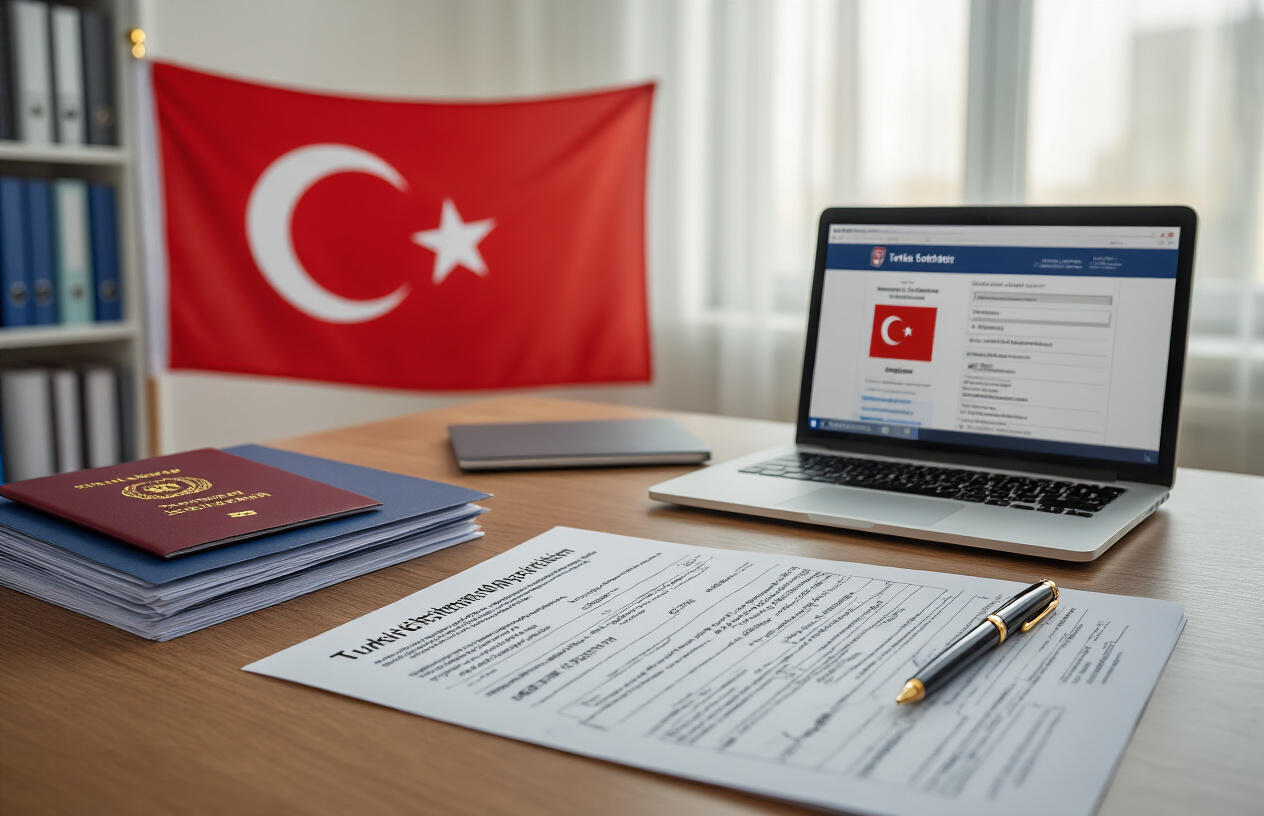
The Turkish citizenship application demands comprehensive documentation that must meet strict authentication standards. Core documents include a valid passport, birth certificate, marriage certificate (if applicable), and a clean criminal background check from your home country. Each document requires apostille certification or consular legalization, depending on your country’s relationship with Turkey.
Financial documentation forms the backbone of your investment-based application. You’ll need bank statements covering the last six months, proof of funds transfer, investment certificates, and detailed financial statements. Real estate investors must provide property valuation reports, title deeds, and purchase agreements. Business investors require company registration documents, audited financial statements, and employment creation records.
Medical examinations are mandatory for all applicants over 18 years old. The health reports must come from Turkish hospitals or clinics approved by the government. These examinations screen for communicable diseases and general health conditions that might affect public safety.
Translation requirements are particularly strict – all foreign documents must be translated into Turkish by sworn translators recognized by Turkish courts. The translation process alone can take several weeks, so early preparation becomes essential for maintaining application timelines.
Due diligence and background check requirements
Turkish authorities conduct thorough security screenings on all citizenship applicants. The background check process examines criminal history, financial integrity, and potential security risks. This investigation extends beyond your home country to include any nation where you’ve lived for more than six months during the past decade.
The security screening involves multiple Turkish government agencies, including the Ministry of Interior and intelligence services. They review your business associations, travel patterns, and financial transactions. Any gaps in your background information or unexplained financial activities can trigger additional scrutiny or application delays.
Your investment source faces particular attention during due diligence. Authorities verify that investment funds come from legitimate sources and weren’t obtained through illegal activities. This process includes tracing money transfers, examining business relationships, and confirming the authenticity of supporting financial documents.
Processing times for background checks typically range from 3-6 months, though complex cases can extend longer. Applicants with previous visa violations, criminal records, or connections to countries with strained Turkish relations may face extended review periods or potential rejection.
Family inclusion and dependent applications
Turkish citizenship by investment extends to the investor’s immediate family members, including spouses and unmarried children under 18 years old. Each family member must submit individual applications with their own documentation packages, though they benefit from the primary investor’s qualifying investment amount.
Spouses need marriage certificates with apostille certification, along with all standard citizenship documents. The marriage must be legally recognized in both the spouse’s home country and Turkey. Common-law partnerships don’t qualify for family inclusion – only legally married couples receive this benefit.
Children’s applications require birth certificates proving the relationship to the primary investor. Adopted children qualify if adoption papers show legal parent-child relationships recognized by Turkish law. Children who turn 18 during the application process may still complete their citizenship applications under the family provision.
Family members undergo the same background check and medical examination requirements as the primary applicant. Each person’s security screening runs independently, meaning one family member’s issues won’t automatically disqualify others, though it may complicate the overall process.
Legal representation and professional assistance
Professional legal assistance becomes practically essential for navigating Turkey’s citizenship application process. Turkish immigration lawyers specialize in citizenship law and maintain relationships with government offices that can streamline your application. They handle document preparation, submission procedures, and communication with authorities throughout the process.
Qualified attorneys provide document review services that catch common mistakes before submission. They ensure translations meet legal standards, verify authentication procedures, and confirm that investment structures comply with current regulations. This professional oversight significantly reduces application rejection risks.
Many law firms offer comprehensive citizenship packages that include legal services, document preparation, translation coordination, and application monitoring. These packages typically range from $15,000 to $30,000, depending on complexity and family size. While this represents additional costs, professional assistance often saves time and prevents costly mistakes.
Choosing the right legal representation requires careful vetting. Look for lawyers registered with the Turkish Bar Association who specialize in citizenship law. Client references, success rates, and transparent fee structures indicate reputable firms. Avoid lawyers who guarantee specific processing times or outcomes, as these factors remain outside their control.
Benefits and Rights of Turkish Citizenship

Visa-free travel destinations and passport strength
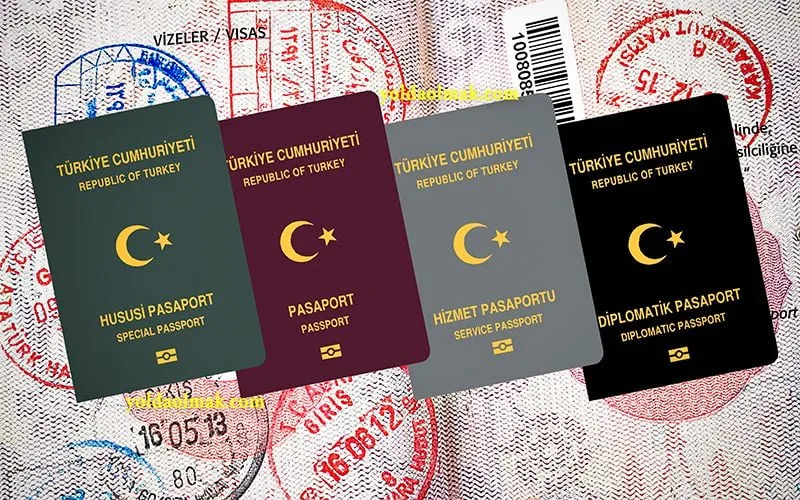
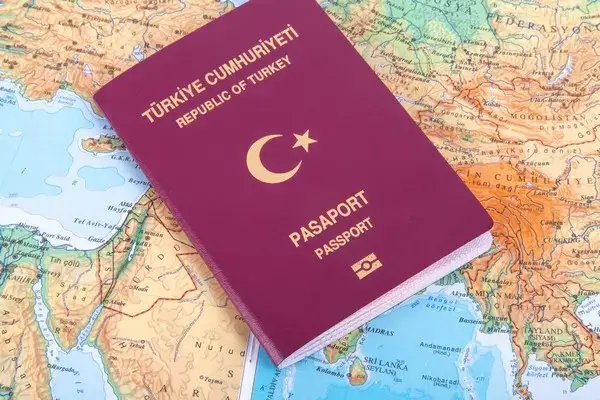
Turkish passport holders enjoy access to 110+ destinations without requiring a visa, making it one of the stronger passports in the region. Key visa-free destinations include most of Europe through Schengen agreements, Japan, South Korea, Singapore, and numerous countries across Asia, Africa, and South America. The passport ranks around 52nd globally on the Henley Passport Index, placing Turkey ahead of many emerging economies.
European travel becomes particularly seamless, with Turkish citizens able to visit EU countries for up to 90 days within a 180-day period. This opens doors for business trips, leisure travel, and exploring investment opportunities across European markets. Asian destinations like Japan (90 days), Singapore (30 days), and South Korea (90 days) provide excellent access to dynamic business hubs.
For investors originally from countries with weaker passports, the improvement in travel freedom can be substantial. Many Middle Eastern, African, and South Asian nationals find Turkish citizenship dramatically expands their global mobility options.
Business and investment opportunities in Turkey
Turkish citizenship unlocks full participation in the country’s $800+ billion economy. Foreign investors gain the same rights as local entrepreneurs, eliminating previous restrictions on property ownership, business establishment, and sector participation.
Real estate investment becomes unrestricted, allowing citizens to purchase property anywhere in Turkey without limitations. Previously restricted sectors like media, aviation, and telecommunications become accessible. Banking relationships improve significantly, with Turkish banks offering better terms and products to citizens compared to foreign nationals.
The country’s strategic location between Europe, Asia, and the Middle East creates unique trade opportunities. Turkish citizens can establish import/export businesses, leverage free trade agreements, and access preferential trading relationships that Turkey maintains with multiple economic blocs.
Government incentives and support programs become available, including grants for startups, tax advantages for certain business activities, and participation in state-backed investment schemes. The ability to bid on government contracts and participate in public-private partnerships opens additional revenue streams.
Access to healthcare and education systems
Turkish citizenship provides comprehensive access to the country’s universal healthcare system. The Social Security Institution (SGK) covers most medical expenses, including hospital stays, surgeries, medications, and preventive care. Private healthcare options remain available and are often more affordable than in Western countries.
Turkey’s healthcare infrastructure has improved dramatically over the past two decades, with modern hospitals and medical facilities throughout major cities. Medical tourism has flourished, indicating the quality of healthcare services available. Citizens benefit from subsidized healthcare costs and priority access to public medical facilities.
Education opportunities span from primary school through university level. Turkish universities have gained international recognition, with several institutions ranking highly in global university rankings. Citizens pay significantly reduced tuition fees at public universities compared to international students.
Children of Turkish citizens can attend public schools free of charge and have access to various educational support programs. International schools remain an option for families preferring alternative curricula. The country’s growing emphasis on technology and innovation in education creates opportunities for students to develop skills relevant to the modern economy.
Tax implications and residency advantages
Turkish citizenship doesn’t automatically trigger worldwide tax obligations, unlike some countries. Turkey operates on a residence-based taxation system, meaning citizens only pay Turkish taxes on Turkish-sourced income unless they become tax residents through physical presence or other criteria.
New citizens can structure their affairs to minimize tax exposure while maintaining citizenship benefits. Many investors continue residing in their home countries while holding Turkish passports, avoiding Turkish tax residency requirements.
Property ownership advantages include exemption from the Reciprocity Law, which previously limited foreign nationals’ property purchases in certain areas. Citizens can buy property anywhere in Turkey without restrictions or additional approvals.
Inheritance and estate planning become more straightforward, with Turkish citizens having clearer rights to transfer assets to heirs. Banking relationships improve, with local banks offering mortgages, business loans, and investment products typically reserved for citizens.
The flexibility to establish Turkish tax residency later provides options for retirement planning or business expansion. Turkey’s double taxation agreements with many countries help prevent dual taxation issues for internationally mobile citizens.
Common Challenges and Risk Management

Investment Security and Asset Protection Strategies
Protecting your investment requires careful planning and multiple safety nets. Real estate investments in Turkey should always go through registered property developers or established agencies with solid track records. Work with lawyers who specialize in Turkish property law to verify all documentation before transferring funds. Many investors choose to spread their risk across different property types or locations rather than putting everything into one project.
Property insurance becomes essential once you acquire assets. Turkish insurance companies offer comprehensive coverage for natural disasters, theft, and structural damage. Consider setting up a Turkish bank account to manage your investments locally, which also demonstrates your commitment to the country’s financial system.
Creating a local business structure can provide additional asset protection. Many investors establish Turkish companies to hold their real estate investments, offering some separation between personal and business assets. This structure also opens doors for potential business activities and can strengthen your citizenship application.
Currency Fluctuation and Market Volatility Concerns
The Turkish Lira’s volatility presents both opportunities and risks for international investors. Currency swings can dramatically affect your investment’s value when converted back to your home currency. Smart investors often hedge against this risk by keeping investments in properties that generate USD or Euro rental income, particularly in tourist areas of Istanbul, Antalya, or Bodrum.
Timing your currency exchanges strategically can save significant money. Many investors use forward contracts or currency hedging services to lock in favorable exchange rates for future transactions. Some prefer to keep their initial investment in foreign currency accounts until the citizenship process completes.
Market volatility affects different sectors differently. Luxury real estate in prime locations tends to be more stable than smaller residential units. Commercial properties often provide better protection against inflation and currency devaluation. Tourism-related investments can be more volatile but offer higher returns during peak seasons.
Legal Compliance and Regulatory Changes
Turkish investment laws change periodically, and staying compliant requires ongoing attention. The government has adjusted minimum investment thresholds several times, and new regulations can affect everything from property taxes to residency requirements. Working with local legal counsel who monitors these changes becomes invaluable for long-term success.
Tax obligations extend beyond the initial investment. Turkish citizens pay taxes on worldwide income, though double taxation treaties with many countries provide relief. Understanding your tax responsibilities in both Turkey and your home country prevents costly surprises later.
Documentation requirements can change without warning. The government occasionally updates the list of acceptable documents or introduces new verification processes. Maintaining organized records and working with experienced immigration consultants helps navigate these bureaucratic shifts smoothly.
Military service obligations for male citizens under 41 can be resolved through paid exemptions, but these rules sometimes change. Banking regulations also evolve, affecting how you can move money in and out of Turkey. Regular consultation with legal professionals ensures you stay ahead of regulatory changes that could impact your investment or citizenship status.
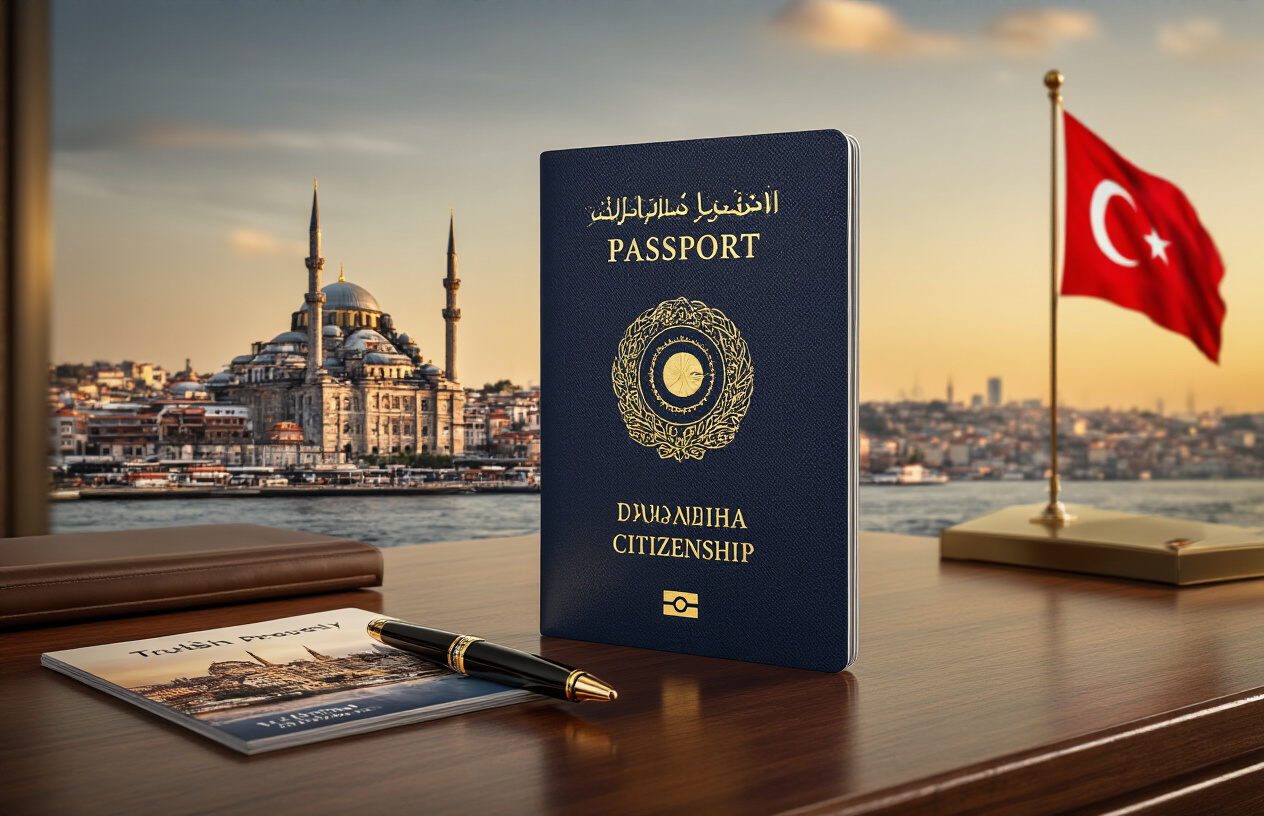
Turkey’s investment citizenship program offers several practical routes for international investors seeking European residency and global mobility. The most popular path remains real estate investment, requiring a minimum $400,000 purchase, while business investments and alternative options like government bonds provide flexibility for different investment strategies. The application process, though straightforward, demands careful attention to documentation and compliance with Turkish regulations.
Getting Turkish citizenship through investment opens doors to visa-free travel to over 110 countries and provides a strong foundation for business expansion across Europe, Asia, and the Middle East. If you’re considering this opportunity, work with experienced legal and real estate professionals who understand the local market and can guide you through potential challenges. The program’s relatively low investment threshold and fast processing times make it an attractive option, but success depends on thorough planning and choosing the right investment strategy for your specific goals.
The Best Lawyer for Turkey Citizenship from Bangladesh

HAMITCAN EKŞI
Lawyer, Union of TurkishBars
Bar Reg. No 52232
Turkey Embassy in Dhaka, Bangladesh
Address:
6, Madani Avenue, Baridhara Diplomatic Zone, Dhaka-1212
Telephone:
+880 960 480 0100
+880 170 496 7948 (Consular Department / Emergency only)
+880 173 339 1686 (Embassy / Emergency only)
Fax:
+880 960 480 0139
Email:
embassy.dhaka@mfa.gov.tr
Website:
dhaka.emb.mfa.gov.tr
Turkey’s Citizenship by Investment Program is a secure and straightforward route for Bangladeshi investors looking to expand their global footprint. With a minimum real estate investment of USD 400,000, you and your family can gain lifetime citizenship, international travel freedom, and new business horizons.
Through AUSIAID, you receive expert advice, verified investment support, and personalized guidance throughout every step of your citizenship journey.
Contact AUSIAID today to schedule a confidential consultation and begin your path to Turkish citizenship.
Office: Dhaka, Bangladesh
Email: info@ausiaid.com
Website: www.ausiaid.com